

R&D Ethiopia: a pioneer for change through the Ethiopian Outsourcing Association
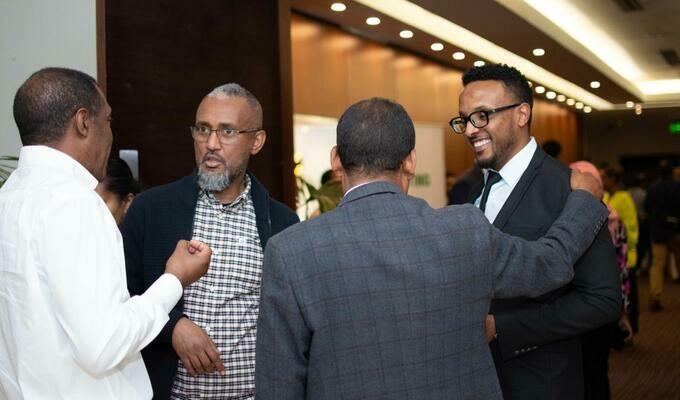
R&D Ethiopia: a pioneer for change through the Ethiopian Outsourcing Association Introduction The Ethiopian outsourcing industry has been rapidly growing, thanks to the establishment of the Ethiopian Outsourcing Association (EOA) within the past year. This non-profit civil association plays a crucial role in providing global outsourcing services by representing the country’s leading service providers in offshore outsourcing. EOA is fostering growth and replicating the success of South Asian countries by keeping Ethiopia globalized enough to attract outsourced businesses and R & D group has played a crucial role in the establishment and promotion of such an association. The Ethiopian Outsourcing Association (EOA) and its Objectives The Ethiopian Outsourcing Association (EOA) was established by a group of industry leaders, including the R&D group, amidst changing times to boost efforts in attracting foreign investment, creating sustainable jobs, and developing the skills of the workforce. As a non-profit association, the EOA’s primary goal is to provide a platform for public-private relationships and advocacy mechanisms that foster a conducive environment for outsourcing companies and foreign investors.“We can see that it’s going to create an immense amount of jobs, and not just jobs but dignified jobs,” said Wondwessen Zewdie, President of the Association and COO of R&D group at an interview conducted by the ITC. One notable achievement in the establishment of the EOA was the support provided by The International Trade Centre (ITC) through the Netherlands Trust Fund V Ethiopia Tech project. This support included bringing in an international expert to help design the association’s strategy, as part of the ITC’s mission to work with digital businesses and business support organizations. By harmonizing regulations and the tech ecosystem, the EOA aims to attract more businesses and investment to the growing sector. Creating a Conducive Environment To keep Ethiopia globalized and attractive to outsourced businesses, the EOA and its members actively engage with government bodies and advocate for policy changes. By fostering public-private relationships, the association ensures that the necessary regulations, incentives, and support systems are in place to facilitate growth in the outsourcing industry. Harmonizing regulations is a key focus for the EOA, as it helps streamline processes and creates a predictable environment for foreign investors and outsourcing companies. This approach helps Ethiopia align with global standards and gives businesses the confidence to invest in the country. Additionally, the EOA recognizes the importance of the tech ecosystem in attracting outsourcing businesses. By working with tech hubs and business support organizations, the association aims to create a thriving digital landscape that can meet the needs of global clients. This involves providing training, support, and networking opportunities for tech entrepreneurs and professionals. Talent and Skill Development The Ethiopian Outsourcing Association (EOA) is dedicated to bolstering the competence and capacity of the outsourcing sector through effective networks. The association achieves this by establishing an institution that transforms the talent pool into highly skilled professionals. By enhancing existing institutions, the EOA revises frameworks to align with the evolving requirements of global outsourcing ventures. Moreover, the association offers a platform for professionals to connect with other members of the association and foreign investors. This networking opportunity facilitates knowledge exchange, cultivates partnerships, and fosters the growth of the Ethiopian outsourcing sector. Through its strategic initiatives, the EOA is nurturing a skilled workforce and positioning Ethiopia as a competitive player in the global outsourcing market. Marketing Services and Trade Shows The International Trade Centre (ITC) also plays a role in the EOA’s efforts to market services internationally. With a mission to promote business growth, the ITC supports the EOA in showcasing its outsourcing services in foreign countries. By participating in trade shows like GITEX Global and GITEX Africa, the EOA can attract the attention of potential clients and demonstrate the capabilities of Ethiopian outsourcing service providers. Boosting the Ethiopian Economy: R&D’s Efforts to meet the association’s objectives The growth of the outsourcing sector brings significant benefits to the Ethiopian economy. By attracting foreign investment and creating sustainable jobs, the EOA helps generate revenue and improve the livelihoods of the workforce. As outsourcing services continue to contribute to the economy, Ethiopia can enhance its economic growth and development. The Ethiopian Outsourcing Association (EOA) plays a pivotal role in fostering growth and globalization in the outsourcing industry. R&D has been and continues to be a pioneer, playing a vital role in making Ethiopia a more attractive destination for outsourcing companies. R&D’s efforts can be highlighted as such: Developing new technologies and solutions, Providing training and education, Producing research and reports, and Building partnerships Through its advocacy mechanisms, public-private relationships, and marketing efforts, the EOA is keeping Ethiopia globalized enough to attract outsourced businesses. With the support of organizations like the International Trade Centre (ITC), Ethiopia is bringing in resources and making the outsourcing sector a significant revenue generator, contributing to the overall growth of the Ethiopian economy. Visit Our Webiste: https://www.etoutsourcing.com/ Related Blogs All Posts Blogs The BIC Ethiopia Project: A Promising Path to Revitalize the Agricultural Sector September 21, 2024/ R&D Ethiopia: a pioneer for change through the Ethiopian Outsourcing Association September 21, 2024/ Financing for Startups in Ethiopia: How New Initiatives Are Addressing the Gap September 21, 2024/
Financing for Startups in Ethiopia: How New Initiatives Are Addressing the Gap

Financing for Startups in Ethiopia: How New Initiatives Are Addressing the Gap Starting a new business is thrilling but securing financing can be a major obstacle for many entrepreneurs. While venture capital and angel investing receive a lot of attention, banks and financial institutions also play a key role in funding startups – especially in developing economies. However, limited collateral and lack of credit history can make accessing traditional business loans difficult for young entrepreneurs and startups. In Ethiopia, securing financing from banks without collateral is especially challenging. But new initiatives are emerging to address this gap. Recently, the Ethiopian Youth Entrepreneurs Association (EYEA) partnered with the Commercial Bank of Ethiopia (CBE) to launch two new financial products aimed at supporting startups. CBE’s new “idea finance” product provides loans to early-stage entrepreneurs and startups without requiring collateral. To qualify, applicants need a patent from the Ethiopian Intellectual Property Agency and a detailed business plan. By removing collateral requirements, this innovative loan product helps get innovative business ideas off the ground. CBE has offered similar financing for over a decade, but uptake has been low. This highlights an opportunity for expanded marketing and education to raise awareness. EYEA and CBE also initiated an advisory service called KENA to provide capacity building and mentorship to young startup founders. Programs like KENA are crucial to setting entrepreneurs up for success by building their skills. EYEA’s networking platform Zelela connects young founders with stakeholders like government officials and investors. These connections are invaluable for securing financing and other support. Zelela conferences have focused on topics from information access to policy advocacy. More institutions should follow CBE’s model and develop creative financing solutions for startups. Alleviating collateral requirements can unlock funding for young entrepreneurs to turn ideas into reality. In Ethiopia, financial technology and digital lending are expanding access to financing for small businesses and startups. Traditional collateral requirements have been a major obstacle, but new digital platforms are using alternative data for credit scoring to provide loans without collateral. Promising Progress Through Fintech Alongside these efforts, financial technology and digital lending are also expanding access to capital for small businesses and startups nationwide. New platforms are applying alternative data and algorithms to provide collateral-free loans. For example, Michu (ሚቹ) from the Cooperative Bank of Oromia leverages artificial intelligence (AI) to assess creditworthiness and offer micro, small, and medium-sized enterprise (MSME) loans without collateral. By removing this barrier, Michu helps address the unmet financing needs of underserved micro and small enterprises. Dube Ale (ዱቤ አለ) from Dashen Bank is another digital credit product reinventing lending by making it more convenient, accessible, and affordable. Customers can get approved for lines of credit up to 700,000 birr based on income and credit history, without collateral. Easy access to working capital can help MSMEs better manage cash flow. Other new platforms like Alegnta (አለኝታ) from Lion Bank also provide collateral-free loans tailored for diverse needs, from rideshare drivers to SMEs. Alegnta’s 500 million birr revolving fund demonstrates growing investment in digital finance. These innovative services showcase how fin-tech is driving financial inclusion in Ethiopia. By using alternative data and digital delivery, lenders can serve MSME segments once considered too risky. Financial regulators should continue updating frameworks to enable responsible digital credit while protecting consumers. Expanding access to finance helps MSMEs and startups invest, create jobs, and build resilience. Digital lending still has room for growth in Ethiopia, but early movers like Michu, Dube Ale, and Alegnta provide promising models for how technology can democratize financing for unserved entrepreneurs. Other countries are also pioneering collateral-free small business financing. In Kenya, microfinance institutions like Kiva leverage crowdfunding and technology to provide low-interest loans. Creative models like these help African startups access seed capital. The R&D Group, in collaboration with UNDP and the National Bank of Ethiopia (NBE), is actively engaged in capacity building for Ethiopian SMEs. As part of their efforts, they are implementing the Technical Assistance Facility (TAF) program, which aims to provide support to innovative small and medium-sized enterprises in Ethiopia. The primary objective of the TAF program is to assist SMEs in growing and developing their businesses while also contributing to job creation and the overall Ethiopian economy. To enhance their support for SMEs in Ethiopia, the Innovative Finance Lab (IFL) from UNDP and NBE have partnered with the R&D Group. This partnership aims to strengthen the implementation of the TAF program, which is a joint initiative between NBE and the UNDP. Through this collaboration, technical assistance will be provided to small and medium-sized enterprises (SMEs) across Ethiopia. Conclusion The challenges of securing financing for startups in Ethiopia are significant, but there are a number of innovative solutions emerging to address these challenges. By leveraging fintech and digital lending, entrepreneurs can gain access to capital that would otherwise be unavailable to them. This is good news for the Ethiopian economy, as it will help to spur innovation and job creation. Related Blogs All Posts Blogs Financing for Startups in Ethiopia: How New Initiatives Are Addressing the Gap September 21, 2024/