

Resilience Business Development Services (RBDS)
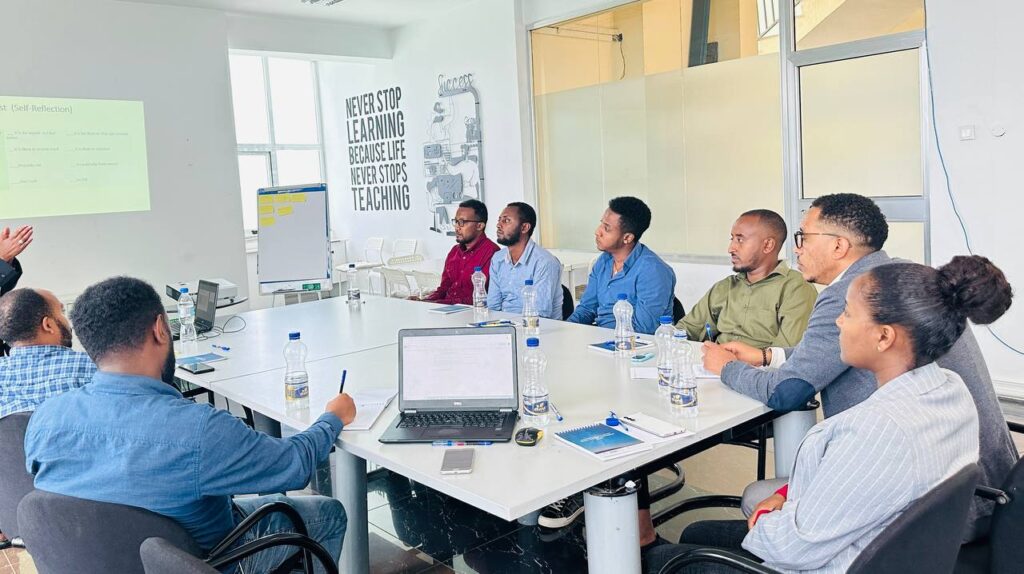
Featured Projects Resilience Business Development Services (RBDS) Since 2014, R&D in cooperation with our partner Cordaid and RBD Consultancy have successfully supported 80 local SMEs in Ethiopia through Resilience BDS program. The program is set to assist growth potential SMEs to grow to the next maturity level aiming at enabling them to utilize their imagination and creativity. The program avails and provides SMEs with the necessary drive, input and support, which cannot be achieved with few days of training. Resilience BDS is a targeted BDS for midsized businesses that intends to build their inner capabilities and work towards them becoming bankable. It is designed to strengthen SMEs capabilities through targeted Business Development Service to not only withstand financial constraints but also efficiently manage their existing resources. Other Projects All Posts Entrepreneurship Programs TAF (Technical assistance facility) of Ethiopia’s Innovative finance lab (IFL) Resilience Business Development Services (RBDS) Advancing women entrepreneurs through blended learning and business acceleration
Advancing women entrepreneurs through blended learning and business acceleration

Featured Projects Advancing women entrepreneurs through blended learning and business acceleration Through R&D’s flagship entrepreneurship support platform, ‘SHARE’, in partnership with Care Ethiopia, the “Advancing Women Enterprises” project engages 60,000 young women entrepreneurs and micro-enterprises, providing them access to relevant information and learning opportunities. Additionally, the project offers business skills and life-skills training, delivered by 25 Care Ethiopia facilitators who have been upskilled by R&D, to approximately 12,000 women youth entrepreneurs. This training covers essential aspects of entrepreneurship. Furthermore, the project will implement a three-month business development service program for 250 women led enterprises. This program will include both virtual and face-to-face components and features a mentorship scheme that connects these entrepreneurs with carefully selected and trained mentors via the SHARE platform. Other Projects All Posts Entrepreneurship Programs TAF (Technical assistance facility) of Ethiopia’s Innovative finance lab (IFL) Advancing women entrepreneurs through blended learning and business acceleration Agri-business development support
Agri-business development support

Featured Projects Agri-Business Development Support As part of the Ethio-German Sustainable Training and Education Programme (STEP), which is commissioned by the Federal Ministry for Economic Cooperation and Development (BMZ), co-funded by the European Union (EU), and executed by the Deutsche Gesellschaft für Internationale Zusammenarbeit (GIZ) GmbH, the project encompasses a variety of activities including, Delivering entrepreneurship training to 250 university and TVET students and together with Growthafrica (GrowthAfrica – Accelerates high potential entrepreneurs in Africa), Providing incubation support to 20 selected beneficiaries to refine their business ideas in preparation for the National Agro-Business Ideas Competition (ABIC 2023). Additionally, the R&D group, has led the organizing the National Agro Business Ideas Competition (ABIC 2023), whereby participants and winners of the competition are rewarded with initial investment and scale up opportunities. Moreover, the project offers tailored business development services and green entrepreneurship acceleration specifically for selected women entrepreneurs. This includes support for women-led MSMEs in collaboration with implementing partners, facilitating exchanges, and linking with Integrated Agro-Industrial Parks (IAIPs) and other relevant partners to promote green entrepreneurship and sustainable business practices. Other Projects All Posts Entrepreneurship Programs TAF (Technical assistance facility) of Ethiopia’s Innovative finance lab (IFL) Agri-business development support Capacity building of more than 50,000 people
Human Capital and Corporate Social Responsibility Solutions – Sher Ethiopia
Featured Projects Human Capital and Corporate Social Responsibility Solutions – Sher Ethiopia As one of Ethiopia’s largest employers, Sher Ethiopia has partnered with R&D Group to review and update its Human Resources Management Policy and Procedure Manual. This revision aims to stay current with the changing HR landscape in Ethiopia, comply with the Ethiopian labor law proclamation, and align with the company’s strategy for people management and its vision for employee empowerment. In its ongoing role as a strategic HR partner to Sher Ethiopia, R&D Group has focused on increasing employee satisfaction and enhancing productivity. R&D has been instrumental in developing the leadership and management skills of Sher Ethiopia’s supervisors, mid-level, and senior management through its annual training programs, which include the development of more than 400 managers each year. Furthermore, R&D continuously provides corporate social responsibility advisory services to support Sher Ethiopia’s sustainability efforts and enhance its impact in the community. Other Projects All Posts Featured Projects Human Capital and Corporate Social Responsibility Solutions – Sher Ethiopia HR Restructuring – Ethiopian Ministry of Agriculture Development of Human Resource Guidelines for Ethiopian Industrial Parks – Ethiopian Investment Commission
Capacity building of more than 50,000 people
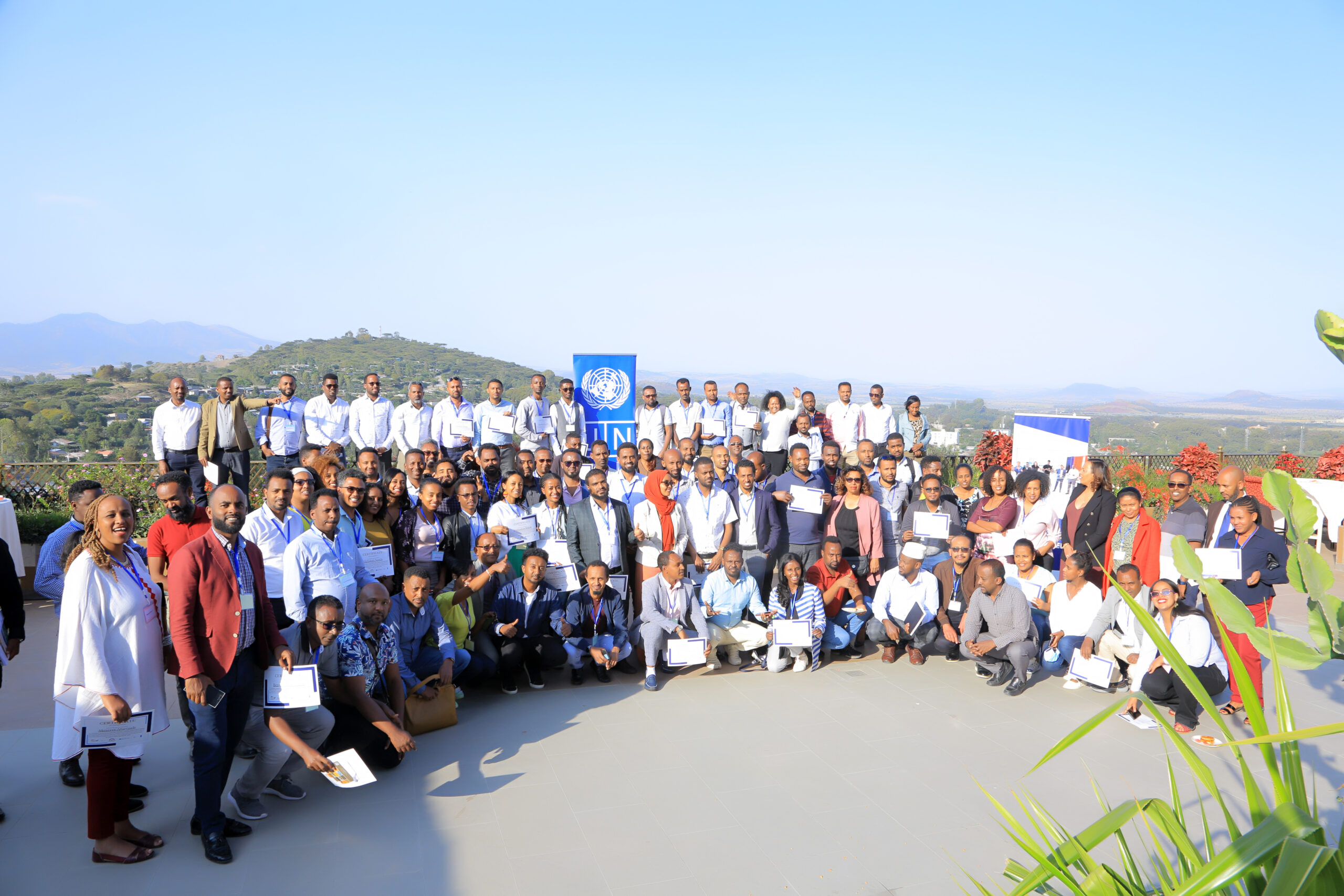
Featured Projects Capacity building of more than 50,000 people R&D’s Training academy is renowned for its innovative and standardized training programs. As one of the first organizations in the country to achieve international certification as a training provider, R&D is committed to advancing the skills and capacities of employees across various industries. Our training programs are designed with adult learning principles in mind, ensuring maximum effectiveness and impact. By focusing on practical application and experiential learning, we empower individuals to develop the skills they need to succeed in today’s competitive landscape. Over the past decade, R&D has delivered custom-made in-company training to a diverse range of organizations, from small and medium-sized enterprises to multinational corporations. Our comprehensive training offerings cover a wide range of soft skills, including Leadership capacity building, HR management, financial management, personal productivity, marketing, governance, and executive coaching. With 70 specialized modules to choose from, we can tailor our training programs to meet the unique needs of each organization. Our expertise extends across various sectors, including manufacturing, banking, financial services, NGOs, government organizations, and retail. R&D’s leadership development and capacity-building initiatives have made a significant impact on organizations in Ethiopia and the Netherlands. Our esteemed clients include multinational corporations, and non-governmental organizations such as Ortec, sher Ethiopia, Heineken breweries sc, Unilever, east Africa bottling, Total, Hawassa and adama industrial park resident corporations, Ethiopian pharmaceutical supply agency, Japan tobacco institute (JTI), Ethiopian national bank and leadership team of multiple small and medium enterprises, reaching more than 50,000 people through our academy. Other Projects All Posts Featured Projects HR Restructuring – Ethiopian Ministry of Agriculture Development of Human Resource Guidelines for Ethiopian Industrial Parks – Ethiopian Investment Commission
HR Restructuring – Ethiopian Ministry of Agriculture

Featured Projects HR Restructuring – Ethiopian Ministry of Agriculture R&D Group successfully completed a comprehensive HR restructuring project for the Ethiopian Ministry of Agriculture (MoA), a strategy which later was implemented by Deloitte. The project involved an in-depth assessment of the Ministry’s current HR department, focusing on several key areas: the existing HR design and structure, alignment of organizational business goals with current capacities, performance measurement and incentive structures, staff development, strategic resourcing, organizational culture, and conflict resolution mechanisms. We have conducted a thorough analysis of the HR bottlenecks within the MoA, considering the Civil Service Reform guidelines, Business Process Reengineering (BPR), and the Balanced Score Card (BSC) framework. Based on this analysis, we provided the Ministry with strategic recommendations for policy and structural shifts necessary to enhance their HR function. The project culminated in the development of an HR Development Strategy, which included detailed findings, actionable recommendations, and a clear implementation plan to guide the Ministry in aligning its HR practices with its organizational goals and improving overall performance. Other Projects All Posts Featured Projects Human Capital and Corporate Social Responsibility Solutions – Sher Ethiopia HR Restructuring – Ethiopian Ministry of Agriculture Development of Human Resource Guidelines for Ethiopian Industrial Parks – Ethiopian Investment Commission
Development of Human Resource Guidelines for Ethiopian Industrial Parks – Ethiopian Investment Commission

Featured Projects Development of Human Resource Guidelines for Ethiopian Industrial Parks – Ethiopian Investment Commission Commissioned by the Ethiopian Investment Commission and Enterprise Partners, R&D Group and Sustainability Agents SUSA GmbH have developed a comprehensive HR guideline to help factories in Ethiopian industrial parks deal with their most pressing HR challenges effectively. The guidelines are based on the Ethiopian labour proclamation, international best practices and provides contextual recommendations for the management of the workforce. Having this HR guideline as a bench mark, factories are encouraged and guided to develop effective HR structures and policies in order to: Achieve high levels of retention, motivation and productivity Comply with country laws and industry standards Prevent conflict, absenteeism and tardiness Enhance competitiveness and meet the expectations of international clients Create a positive image of the factories and IPs among the community The HR Guidelines include legal requirements, international standards, instructions and recommendations developed for key areas of the HR function, including: Developing and enforcing of an HR manual that establishes a uniform system to manage all HR matters Setting up a fair, transparent, ethical and effective recruitment and selection practice that allows to find and hire the best candidates aligned to production needs Establishing a complete onboarding program that properly integrates employees to their new role and work environment, sets up clear expectations and responsibilities and, in cases of new hires from rural areas, also helps them transition to their new living conditions Settling a comprehensive training program for all staff that allows the appropriate development of the workforce in both technical and soft skills Creating a performance-based culture that helps factories to align employees and resources with their strategic objectives Setting up adequate and competitive compensation schemes -including wages, allowances, bonuses and other benefits- taking a holistic approach to provide benefits that considers workers’ living conditions and contributes to boost productivity. Developing effective, legitimate, transparent and safe grievance handling procedures, to address employee concerns before they lead to more serious employee relations issues Creating and enforcing a clear, transparent, fair and well communicated disciplinary procedure in the factory that guides supervisors and managers in the discipline of employees promoting certainty and consistency in dealing with misconduct. Setting up strategies for internal and external communication to disseminate the right information to all stakeholders including employees, governments, clients and the overall community in which the IP is set. Download and read the HR guideline here: IP_HR_Guidelines.pdf (investethiopia.gov.et) Other Projects All Posts Featured Projects Human Capital and Corporate Social Responsibility Solutions – Sher Ethiopia HR Restructuring – Ethiopian Ministry of Agriculture Development of Human Resource Guidelines for Ethiopian Industrial Parks – Ethiopian Investment Commission
The BIC Ethiopia Project: A Promising Path to Revitalize the Agricultural Sector
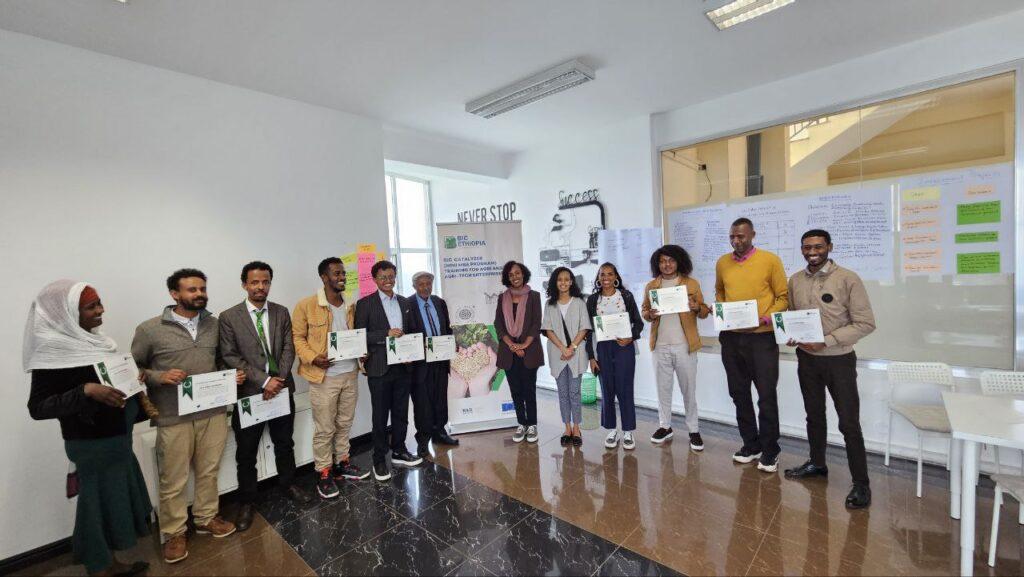
The BIC Ethiopia Project: A Promising Path to Revitalize the Agricultural Sector Agriculture is the backbone sector in Ethiopia’s economy due to its significant contributions to GDP growth, employment opportunities for a majority of citizens and substantial export earnings through key commodities like coffee and sesame seeds. The government’s unwavering commitment to promoting agricultural development through various initiatives underscores its recognition of this sector’s vital role in sustaining economic prosperity for the nation. Agricultural sector contribute to over 40% of the country’s GDP. Additionally, it serves as the primary source of employment for more than 80% of the Ethiopia’s workforce and accounts for a significant 83.9% of exports. The leading agricultural commodities in Ethiopia include coffee, sesame seeds, and pulses. The agricultural sector in Ethiopia showcases remarkable diversity, with a wide variety of crops and livestock being cultivated. Among the crops, cereals such as teff (ጤፍ), wheat, and maize are the major ones. Following closely are pulses, oilseeds, and fruits. Livestock also plays a crucial role in providing sustenance and income for the population, with cattle, sheep, goats, and poultry being prominent sources. Ethiopia boasts a rich history of agricultural production that has garnered continuous attention from the government over the years. To foster agricultural development further, numerous policies and programs have been implemented by the government. These initiatives encompass land reform measures, irrigation projects to enhance water management systems, as well as agricultural extension services aimed at providing farmers with valuable knowledge and support. The Ethiopian agricultural landscape confronts obstacles like periodic droughts, soil degradation, taxation burdens, and inadequate infrastructure. These elements contribute to reduced productivity, food insecurity and poverty. To counter these concerns, the government has pinpointed priority areas for intervention, targeting increased smallholder farm productivity and large-scale commercial farm expansion. Strategies include enhancing input access, credit availability, market reach, irrigation facilities, extension services, and land tenure security. Agriculture’s role extends beyond sustenance, propelling Ethiopia’s economic transformation. The Oxford Handbook of the Ethiopian Economy highlights the Agricultural Development-Industrialization (ADLI) approach as Ethiopia’s primary developmental strategy. By amplifying agricultural output and income, the rural sector stimulates demand and supply for urban and industrial counterparts, fostering growth and structural change. Yet, critics note ADLI’s limitations, emphasizing the need to facilitate urban and international demand for high-value crops and value-added products. Amid these dynamics, promising signals emerge. Over the past decade, the sector has achieved a consistent 5% annual growth rate, accompanied by improved productivity. Notably, the government and international donors have bolstered efforts. BIC Ethiopia represents a particularly promising development. BIC Ethiopia is a project that aims to support business incubators in Ethiopia, especially in the fields of agri-tech and agri-business. The project is funded by the European Union and implemented by a consortium of six partner organizations, led by Sequa, a German based non-profit organisation that promotes development cooperation. The project started in January 2022 and will run for four years. The main objectives of the project are: To enable existing and new incubators to support high potential start-ups with innovative business models that address market needs and potentials in terms of job creation and income generation. Additionally, to enhance business incubators’ ability to unlock the potential of agri-tech and agri-business by delivering necessary tools to enable business growth along different stages of maturity. The project strengthens incubators and start-up’s innovating in agri-tech and agri-business. BIC Ethiopia will provide critical tools and resources to unlock the potential of these ventures to create jobs, incomes and sustainable growth. The R&D Group Ethiopia office collaborates closely with Sequas in this endeavour to implement the starter and catalyzer programmes, bringing essential experience. By fostering this ecosystem, BIC Ethiopia can help revitalize and advance Ethiopia’s agricultural industry. The collaborations present a promising path to revitalizing Ethiopia’s agricultural sector, offering valuable insights and avenues for sustainable growth. Related Blogs All Posts Blogs The BIC Ethiopia Project: A Promising Path to Revitalize the Agricultural Sector September 21, 2024/ R&D Ethiopia: a pioneer for change through the Ethiopian Outsourcing Association September 21, 2024/ Financing for Startups in Ethiopia: How New Initiatives Are Addressing the Gap September 21, 2024/
R&D Ethiopia: a pioneer for change through the Ethiopian Outsourcing Association
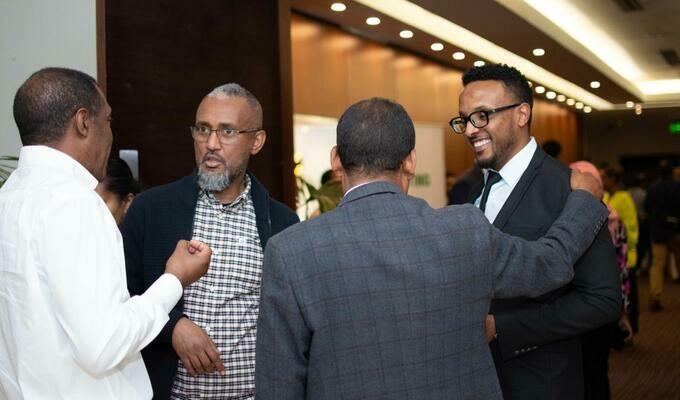
R&D Ethiopia: a pioneer for change through the Ethiopian Outsourcing Association Introduction The Ethiopian outsourcing industry has been rapidly growing, thanks to the establishment of the Ethiopian Outsourcing Association (EOA) within the past year. This non-profit civil association plays a crucial role in providing global outsourcing services by representing the country’s leading service providers in offshore outsourcing. EOA is fostering growth and replicating the success of South Asian countries by keeping Ethiopia globalized enough to attract outsourced businesses and R & D group has played a crucial role in the establishment and promotion of such an association. The Ethiopian Outsourcing Association (EOA) and its Objectives The Ethiopian Outsourcing Association (EOA) was established by a group of industry leaders, including the R&D group, amidst changing times to boost efforts in attracting foreign investment, creating sustainable jobs, and developing the skills of the workforce. As a non-profit association, the EOA’s primary goal is to provide a platform for public-private relationships and advocacy mechanisms that foster a conducive environment for outsourcing companies and foreign investors.“We can see that it’s going to create an immense amount of jobs, and not just jobs but dignified jobs,” said Wondwessen Zewdie, President of the Association and COO of R&D group at an interview conducted by the ITC. One notable achievement in the establishment of the EOA was the support provided by The International Trade Centre (ITC) through the Netherlands Trust Fund V Ethiopia Tech project. This support included bringing in an international expert to help design the association’s strategy, as part of the ITC’s mission to work with digital businesses and business support organizations. By harmonizing regulations and the tech ecosystem, the EOA aims to attract more businesses and investment to the growing sector. Creating a Conducive Environment To keep Ethiopia globalized and attractive to outsourced businesses, the EOA and its members actively engage with government bodies and advocate for policy changes. By fostering public-private relationships, the association ensures that the necessary regulations, incentives, and support systems are in place to facilitate growth in the outsourcing industry. Harmonizing regulations is a key focus for the EOA, as it helps streamline processes and creates a predictable environment for foreign investors and outsourcing companies. This approach helps Ethiopia align with global standards and gives businesses the confidence to invest in the country. Additionally, the EOA recognizes the importance of the tech ecosystem in attracting outsourcing businesses. By working with tech hubs and business support organizations, the association aims to create a thriving digital landscape that can meet the needs of global clients. This involves providing training, support, and networking opportunities for tech entrepreneurs and professionals. Talent and Skill Development The Ethiopian Outsourcing Association (EOA) is dedicated to bolstering the competence and capacity of the outsourcing sector through effective networks. The association achieves this by establishing an institution that transforms the talent pool into highly skilled professionals. By enhancing existing institutions, the EOA revises frameworks to align with the evolving requirements of global outsourcing ventures. Moreover, the association offers a platform for professionals to connect with other members of the association and foreign investors. This networking opportunity facilitates knowledge exchange, cultivates partnerships, and fosters the growth of the Ethiopian outsourcing sector. Through its strategic initiatives, the EOA is nurturing a skilled workforce and positioning Ethiopia as a competitive player in the global outsourcing market. Marketing Services and Trade Shows The International Trade Centre (ITC) also plays a role in the EOA’s efforts to market services internationally. With a mission to promote business growth, the ITC supports the EOA in showcasing its outsourcing services in foreign countries. By participating in trade shows like GITEX Global and GITEX Africa, the EOA can attract the attention of potential clients and demonstrate the capabilities of Ethiopian outsourcing service providers. Boosting the Ethiopian Economy: R&D’s Efforts to meet the association’s objectives The growth of the outsourcing sector brings significant benefits to the Ethiopian economy. By attracting foreign investment and creating sustainable jobs, the EOA helps generate revenue and improve the livelihoods of the workforce. As outsourcing services continue to contribute to the economy, Ethiopia can enhance its economic growth and development. The Ethiopian Outsourcing Association (EOA) plays a pivotal role in fostering growth and globalization in the outsourcing industry. R&D has been and continues to be a pioneer, playing a vital role in making Ethiopia a more attractive destination for outsourcing companies. R&D’s efforts can be highlighted as such: Developing new technologies and solutions, Providing training and education, Producing research and reports, and Building partnerships Through its advocacy mechanisms, public-private relationships, and marketing efforts, the EOA is keeping Ethiopia globalized enough to attract outsourced businesses. With the support of organizations like the International Trade Centre (ITC), Ethiopia is bringing in resources and making the outsourcing sector a significant revenue generator, contributing to the overall growth of the Ethiopian economy. Visit Our Webiste: https://www.etoutsourcing.com/ Related Blogs All Posts Blogs The BIC Ethiopia Project: A Promising Path to Revitalize the Agricultural Sector September 21, 2024/ R&D Ethiopia: a pioneer for change through the Ethiopian Outsourcing Association September 21, 2024/ Financing for Startups in Ethiopia: How New Initiatives Are Addressing the Gap September 21, 2024/
Financing for Startups in Ethiopia: How New Initiatives Are Addressing the Gap

Financing for Startups in Ethiopia: How New Initiatives Are Addressing the Gap Starting a new business is thrilling but securing financing can be a major obstacle for many entrepreneurs. While venture capital and angel investing receive a lot of attention, banks and financial institutions also play a key role in funding startups – especially in developing economies. However, limited collateral and lack of credit history can make accessing traditional business loans difficult for young entrepreneurs and startups. In Ethiopia, securing financing from banks without collateral is especially challenging. But new initiatives are emerging to address this gap. Recently, the Ethiopian Youth Entrepreneurs Association (EYEA) partnered with the Commercial Bank of Ethiopia (CBE) to launch two new financial products aimed at supporting startups. CBE’s new “idea finance” product provides loans to early-stage entrepreneurs and startups without requiring collateral. To qualify, applicants need a patent from the Ethiopian Intellectual Property Agency and a detailed business plan. By removing collateral requirements, this innovative loan product helps get innovative business ideas off the ground. CBE has offered similar financing for over a decade, but uptake has been low. This highlights an opportunity for expanded marketing and education to raise awareness. EYEA and CBE also initiated an advisory service called KENA to provide capacity building and mentorship to young startup founders. Programs like KENA are crucial to setting entrepreneurs up for success by building their skills. EYEA’s networking platform Zelela connects young founders with stakeholders like government officials and investors. These connections are invaluable for securing financing and other support. Zelela conferences have focused on topics from information access to policy advocacy. More institutions should follow CBE’s model and develop creative financing solutions for startups. Alleviating collateral requirements can unlock funding for young entrepreneurs to turn ideas into reality. In Ethiopia, financial technology and digital lending are expanding access to financing for small businesses and startups. Traditional collateral requirements have been a major obstacle, but new digital platforms are using alternative data for credit scoring to provide loans without collateral. Promising Progress Through Fintech Alongside these efforts, financial technology and digital lending are also expanding access to capital for small businesses and startups nationwide. New platforms are applying alternative data and algorithms to provide collateral-free loans. For example, Michu (ሚቹ) from the Cooperative Bank of Oromia leverages artificial intelligence (AI) to assess creditworthiness and offer micro, small, and medium-sized enterprise (MSME) loans without collateral. By removing this barrier, Michu helps address the unmet financing needs of underserved micro and small enterprises. Dube Ale (ዱቤ አለ) from Dashen Bank is another digital credit product reinventing lending by making it more convenient, accessible, and affordable. Customers can get approved for lines of credit up to 700,000 birr based on income and credit history, without collateral. Easy access to working capital can help MSMEs better manage cash flow. Other new platforms like Alegnta (አለኝታ) from Lion Bank also provide collateral-free loans tailored for diverse needs, from rideshare drivers to SMEs. Alegnta’s 500 million birr revolving fund demonstrates growing investment in digital finance. These innovative services showcase how fin-tech is driving financial inclusion in Ethiopia. By using alternative data and digital delivery, lenders can serve MSME segments once considered too risky. Financial regulators should continue updating frameworks to enable responsible digital credit while protecting consumers. Expanding access to finance helps MSMEs and startups invest, create jobs, and build resilience. Digital lending still has room for growth in Ethiopia, but early movers like Michu, Dube Ale, and Alegnta provide promising models for how technology can democratize financing for unserved entrepreneurs. Other countries are also pioneering collateral-free small business financing. In Kenya, microfinance institutions like Kiva leverage crowdfunding and technology to provide low-interest loans. Creative models like these help African startups access seed capital. The R&D Group, in collaboration with UNDP and the National Bank of Ethiopia (NBE), is actively engaged in capacity building for Ethiopian SMEs. As part of their efforts, they are implementing the Technical Assistance Facility (TAF) program, which aims to provide support to innovative small and medium-sized enterprises in Ethiopia. The primary objective of the TAF program is to assist SMEs in growing and developing their businesses while also contributing to job creation and the overall Ethiopian economy. To enhance their support for SMEs in Ethiopia, the Innovative Finance Lab (IFL) from UNDP and NBE have partnered with the R&D Group. This partnership aims to strengthen the implementation of the TAF program, which is a joint initiative between NBE and the UNDP. Through this collaboration, technical assistance will be provided to small and medium-sized enterprises (SMEs) across Ethiopia. Conclusion The challenges of securing financing for startups in Ethiopia are significant, but there are a number of innovative solutions emerging to address these challenges. By leveraging fintech and digital lending, entrepreneurs can gain access to capital that would otherwise be unavailable to them. This is good news for the Ethiopian economy, as it will help to spur innovation and job creation. Related Blogs All Posts Blogs Financing for Startups in Ethiopia: How New Initiatives Are Addressing the Gap September 21, 2024/